
Pediatric rehabilitation · Gait planning
Pediatric Slow Treadmill vs Gait Trainer
A pediatric slow treadmill and a body-weight-support gait trainer are different equipment formats and should be specified separately in a project list.
Published and reviewed:
Quick answer
Start with the planned supervised activity, support needs, room workflow, and safety requirements; then confirm the exact treadmill or gait-trainer configuration.
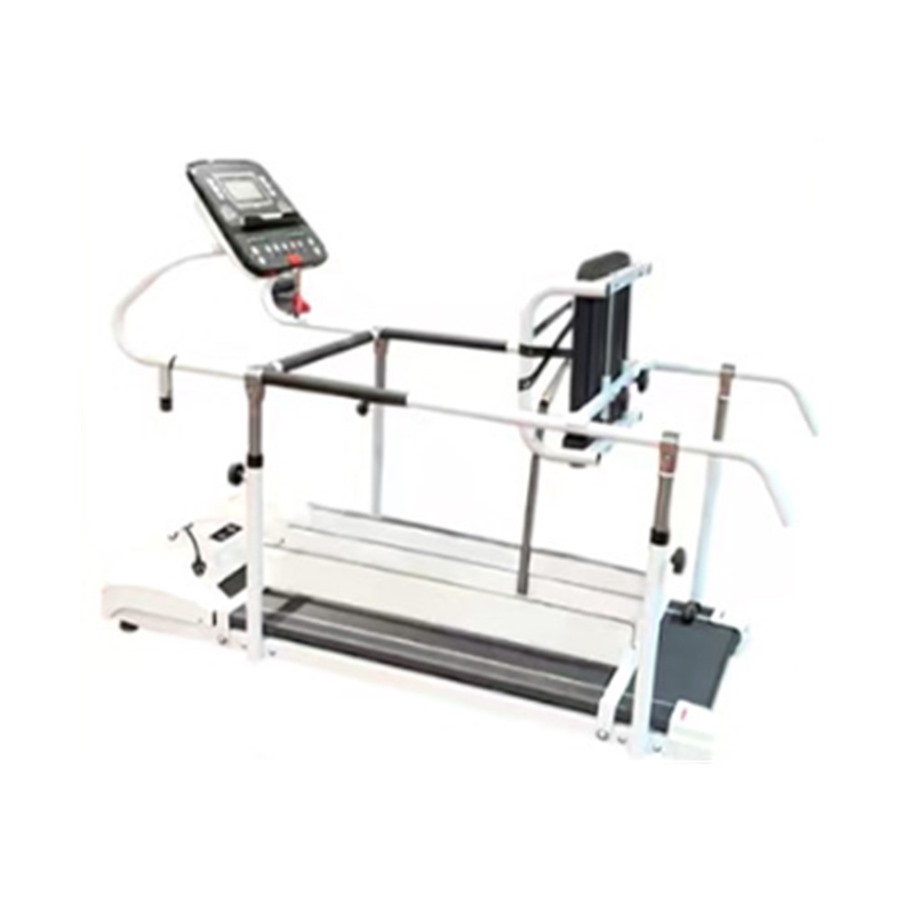
Separate moving-belt and support questions
The slow-treadmill product page calls for confirmation of speed range, controls, emergency stop, handrail or support compatibility, belt area, access, and supervision. A gait trainer needs its own review of support and accessory scope.
Plan the room around supervised use
Record the equipment location, approach route, therapist working position, electrical requirements where applicable, and shared space with other pediatric mobility equipment. This is planning information, not a clinical outcome claim.
Request model-specific evidence
Ask for the current datasheet, included accessories, electrical information, dimensions, packing, manuals, and destination documents for the selected configuration.
What to confirm before purchase
- Controls, emergency stop, supports, and accessories
- Electrical, room access, footprint, and delivery constraints
- Current datasheet, packing, and destination documents
Buyer FAQ
Can this guide replace an exact product specification?
No. Confirm the selected model, included accessories, dimensions, electrical details, packing, documents, and destination requirements in writing.
What should be in a quotation request?
State the intended setting, quantity, destination country, required configuration, delivery access, electrical needs, and requested documents.
Definition
A pediatric slow treadmill and a pediatric gait trainer are different equipment types. The first supports belt-based walking practice; the second provides a mobile support arrangement. A qualified clinical team should define which workflow is appropriate.
Numeric facts for the comparison
- Describe 1 intended walking or mobility workflow before comparing models.
- Request 1 model and 1 quantity per option, with supports and accessories separated.
- Check 3 room facts: footprint, transfer clearance, and delivery access.
Procurement steps
- Record the planned programme and supervision method.
- Confirm the exact configuration and user-support requirements with qualified staff.
- Request dimensions, packing, electrical details where applicable, and document information.
- Compare the same written scope across quotations.
Buyer FAQ
Is one option automatically better?
No. The choice depends on the intended programme, user needs, room, and safety workflow.
Can an age label determine suitability?
No. Equipment dimensions, adjustment range, supports, instructions, and professional assessment all matter.