
Rehabilitation equipment buying guide
Rehabilitation Equipment Supplier for Clinics: What to Check Before Requesting a Quote
A useful quotation starts with a clear equipment brief. Clinics should define the patient group, therapy rooms, required equipment types, delivery destination, and document needs before comparing supplier responses.
Published and reviewed:
Quick answer
Before requesting a quote, prepare the exact model or equipment category, quantity, user group, room and delivery-route measurements, destination country and port, electrical requirements, packing questions, and requested documents. A supplier can then return a more useful comparison instead of a generic catalog.
1. Define the clinic program
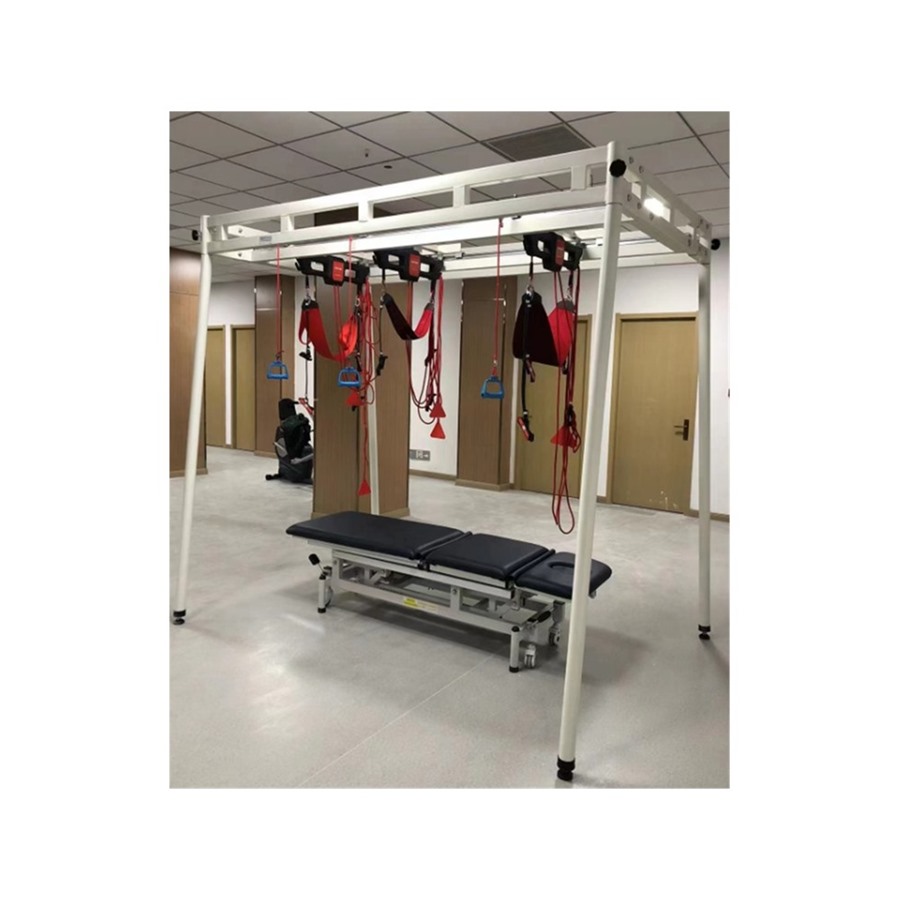
Start with the therapy program rather than a product name. A gait-training room may need a body-weight-support gait trainer, parallel bars, training stairs, or a walker. An occupational therapy room may need upper-limb training equipment, work surfaces, storage, and wheelchair access. A pediatric room may require child-sized positioning and mobility equipment.
Use the relevant gait training, occupational therapy, or pediatric rehabilitation category to create the initial shortlist.
2. Send exact model and quantity information
If a model is already shortlisted, include its full model name and quantity. If the clinic is still comparing options, describe the intended function, user group, adjustment needs, and room constraints. Ask the supplier to separate standard accessories from optional accessories so two quotations can be compared fairly.
For example, a quotation for a body-weight-support gait trainer should identify the exact configuration and included support components. Do not assume that similarly named products have the same adjustment range or accessories.
3. Confirm room and delivery-route constraints
Provide usable floor area, doorway width, corridor and lift dimensions, ceiling height where relevant, and turning space. Include clearance for therapist access, patient transfer, assembly, cleaning, and storage. A product that fits the treatment room may still be unsuitable if the packed unit cannot pass through the delivery route.
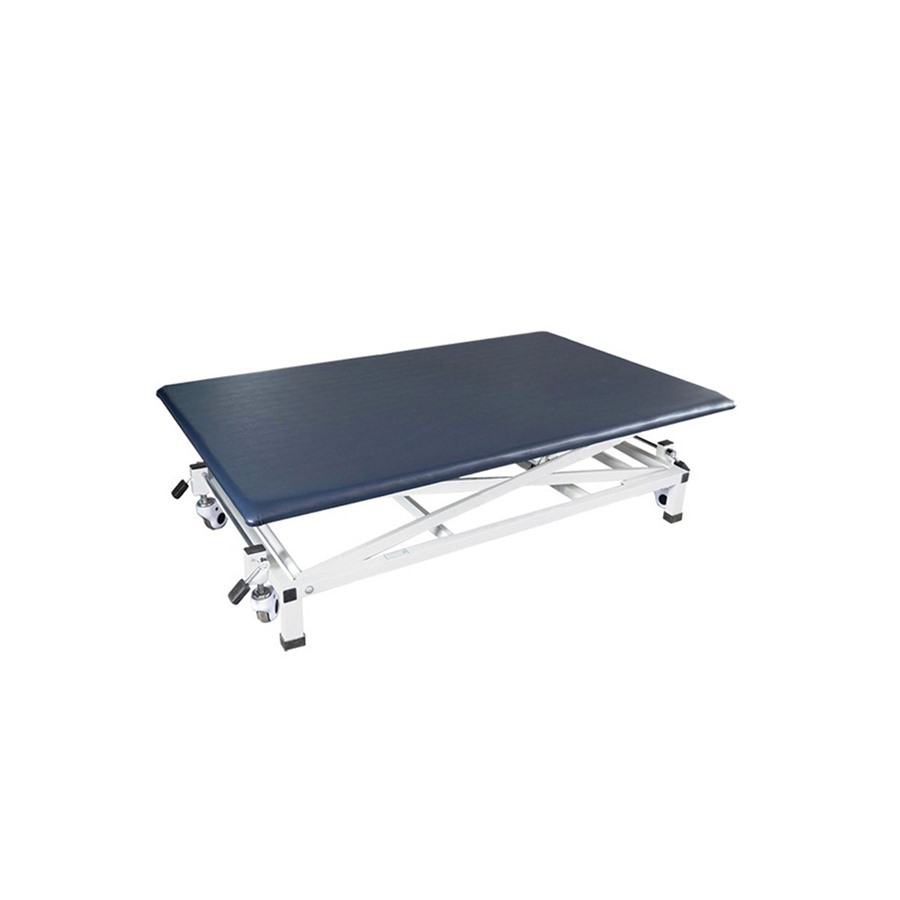
For therapy tables, compare footprint, height adjustment, section layout, and access. The therapy tables and beds category can be used to organize this part of the request.
4. Include destination and electrical details
State the destination country, delivery city or port, voltage, frequency, plug type, labeling language, and any known importer requirements. These details affect quotation preparation and must be confirmed for the exact model and destination market.
Do not treat a general product page as proof that a particular certificate, registration, or market approval applies. Ask for the current model-specific document status before advertising or placing an order.
5. Request a complete quotation package
| Quotation item | What to request |
|---|---|
| Product | Exact model, configuration, dimensions, adjustment range, and included accessories |
| Commercial | Quantity, MOQ, unit basis, quotation validity, payment terms, and lead-time confirmation |
| Packing | Packed dimensions, gross weight, package count, and loading information |
| Electrical | Voltage, frequency, plug, power requirements, and destination compatibility |
| Documents | Datasheet, user manual, packing list, warranty terms, and model-specific certificate status |
Information to prepare
- Clinic type, therapy program, and intended user group
- Shortlisted models, quantities, and accessory requirements
- Room dimensions and delivery-route measurements
- Destination country, city or port, voltage, and plug type
- Requested packing, commercial, warranty, and document information
What to confirm before purchase
Confirm the exact model, final configuration, dimensions, user access, quantity, packing, electrical requirements, destination-market documents, freight basis, and quotation validity. The buyer’s qualified rehabilitation team should confirm clinical suitability; the supplier can support model and specification comparison.
Frequently asked questions
Should a clinic ask for a catalog or a quotation first?
Use the catalog to create a shortlist, then request a quotation with models, quantities, destination, and requirements. This usually produces a more useful response.
Can the supplier confirm every destination-market document?
Document requirements vary by model and destination. Ask for the current status of the exact model and verify local requirements with the importer or responsible authority.
What if the clinic does not know the model number?
Describe the therapy program, patient group, room limits, adjustment needs, and required accessories. The supplier can help compare suitable categories, subject to professional review.
Definition
A clinic supplier quote checklist turns a room plan into a comparable written request. It should make the exact model, quantity, configuration, freight, installation, and support assumptions visible.
Numeric facts to include in the enquiry
- State 1 planned room or programme.
- Request 1 exact model and 1 quantity per line item.
- Confirm 4 quote fields: product, freight, installation, and support scope.
Quote steps
- Send the same specification to each supplier.
- Ask for included accessories and exclusions.
- Confirm package, delivery, customs, installation, and warranty assumptions.
- Compare like-for-like totals and keep clarifications in writing.
Buyer FAQ
Why do quotes that look similar differ?
Configuration, accessories, freight, installation, and support may differ.
Should the buyer ask for a revised quote?
Yes, when the configuration or assumptions are not directly comparable.