
Pediatric rehabilitation · Product checklist
Pediatric Medical Slow Treadmill: Buyer Checklist
JYE-PAI is a slow treadmill format for supervised pediatric gait and stepping activities in professional rehabilitation settings.
Published and reviewed:
Quick answer
For JYE-PAI, confirm minimum and maximum speed, increments, controls, emergency stop, handrail or support compatibility, belt area, electrical supply, dimensions, maintenance, and documents.
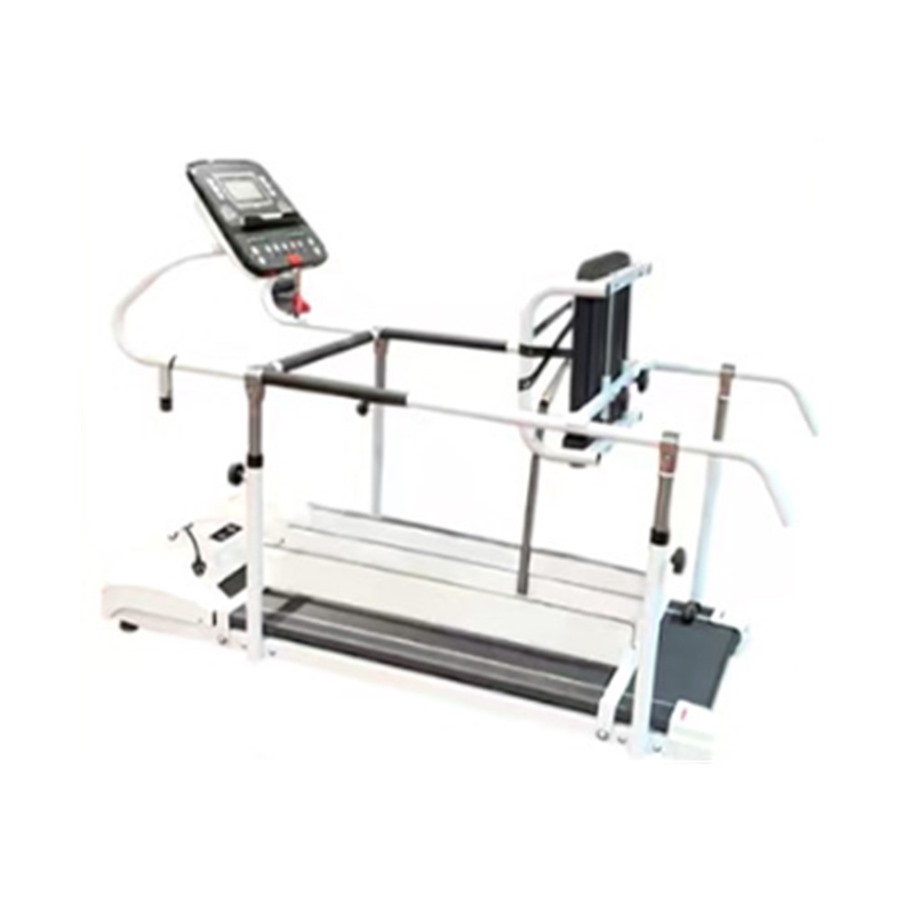
Confirm motion and safety details
The product page asks buyers to confirm speed range, increments, controls, emergency stop, handrail or support compatibility, belt area, access, and supervision plan. These details must come from the current datasheet for the exact configuration.
Resolve electrical and physical questions
Verify electrical supply, rated load, noise, maintenance, cleaning, packing and access. The listed size is 1050 × 300 × 120 mm, but buyers should confirm whether it describes the product, walking surface, or another measurement before planning the room.
What to confirm before purchase
- Speed range, controls, emergency stop, supports, and belt area
- Electrical supply, load, noise, maintenance, cleaning, and access
- Confirmed dimensions, packing, manuals, and destination documents
Buyer FAQ
Can a catalogue entry replace a quotation?
No. Request the current datasheet and a written quotation that identifies the exact model, included accessories, packing, documents, and destination requirements.
What should a project inquiry include?
Include the intended setting, quantity, destination, room access, required configuration, delivery constraints, and requested documents.
Definition
A pediatric medical slow treadmill is planned as part of a supervised therapy environment. The buyer checklist should cover speed range, user size range, hand support, room clearance, therapist access, noise or operating considerations, and the accessories included in the quoted configuration.
Numeric facts to include in the enquiry
- State 1 target age or size range and the intended therapy activity.
- Request 1 exact model, speed range, belt dimensions, and installed footprint.
- Confirm 3 logistics details: package count, packed dimensions, and gross weight.
Procurement steps
- Define the walking or gait-training workflow and required therapist position.
- Check adjustment range, support rails or harness options, room route, and operating clearance.
- Ask suppliers to separate base equipment, accessories, installation, freight, and training.
- Review the final configuration against the centre’s child-safety and supervision procedures.
Buyer FAQ
Can a general fitness treadmill be used for pediatric therapy?
Do not assume that it is suitable. The centre should define its therapy requirements and have the qualified team assess the equipment and operating process.
What should be checked besides the speed range?
Check belt size, support features, emergency controls, access, noise, cleaning, included accessories, and the room’s supervision layout.