
Rehabilitation equipment buying guide
Gait Training Equipment Selection Guide
A useful gait-training equipment plan begins with the level of support required and the way therapy will be delivered. Product names alone do not show whether a clinic needs unloading support, a fixed walking lane, stair practice, or a portable walking aid.
Published and reviewed:
Quick answer
For a new gait-training area, define the user group, support level, transfer method, room dimensions, and therapist workflow first. Then compare body-weight-support systems, parallel bars, training stairs, and walkers by adjustment range, access, safety features, and documentation.
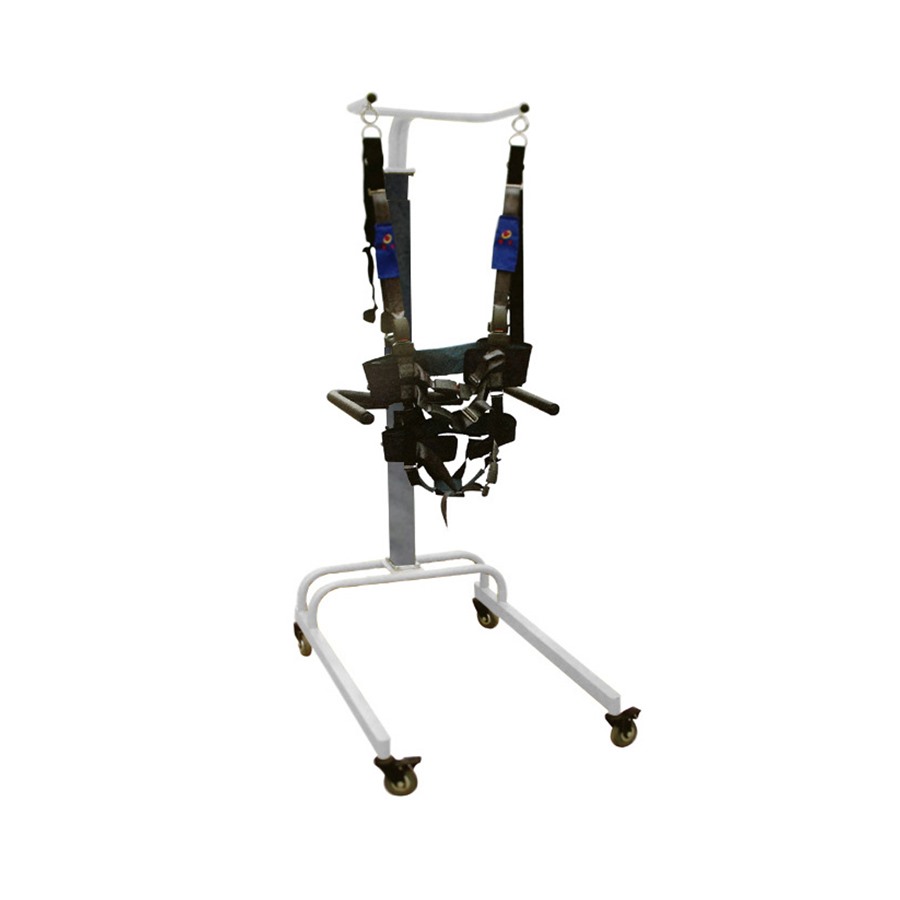
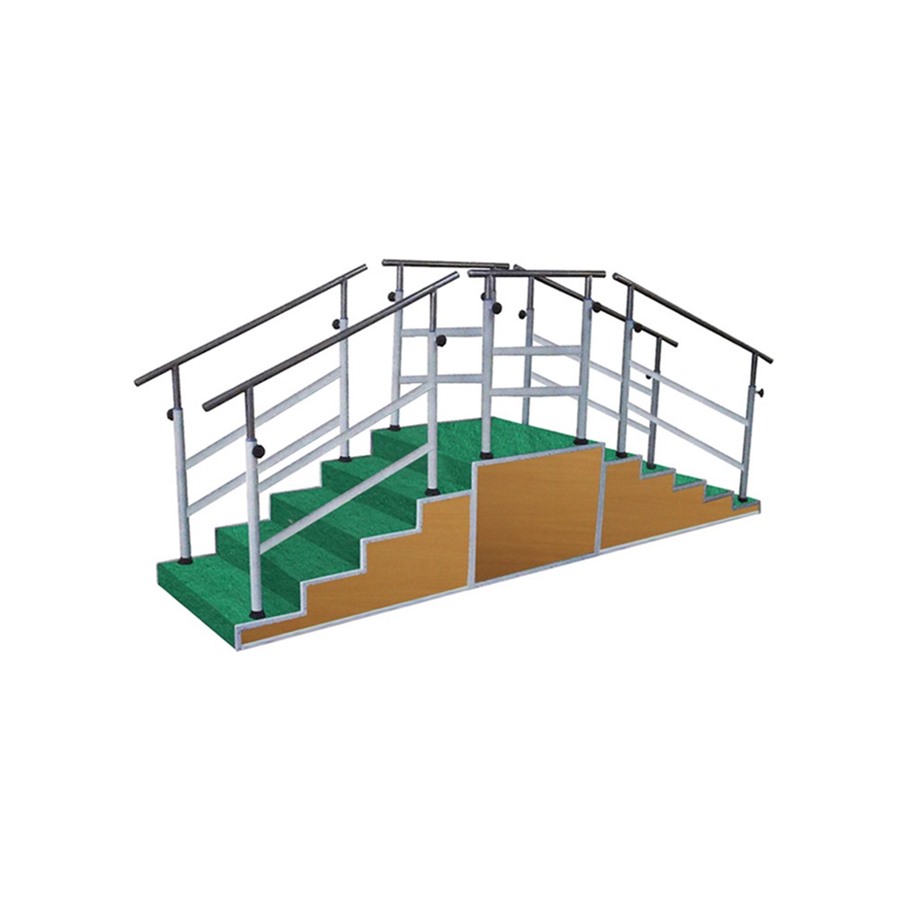
Start with the required support level
A body-weight-support trainer and a walker solve different problems. Record whether the program needs partial unloading, trunk or pelvic support, a fixed handrail, therapist-assisted stepping, or independent overground practice. This prevents a quotation from mixing equipment that looks similar but serves a different workflow.
Measure the complete access route
Measure usable floor area, ceiling height, doorway width, corridors, lift dimensions, and turning space. Include clearance for therapist access, transfers, assembly, and storage. Large frames may fit the treatment room but still fail to pass through the delivery route.
Compare adjustments and accessories
Ask for the actual height range, width, rated capacity, harness or handrail options, caster and brake configuration, ramps, seats, and optional accessories. Confirm which parts are standard and which must be quoted separately.
Review documents before model approval
Request the current datasheet, user manual, packing list, warranty terms, and model-specific certificate status. Requirements differ by destination and should be checked before advertising or registration.
Comparison table
| Item | Primary role | What to verify |
|---|---|---|
| Body-weight-support gait trainer | Partial unloading and supported stepping | Support range, harness, height, footprint, transfer access |
| Parallel bars | Controlled balance and walking practice | Length, width, handrail adjustment, ramp, base |
| Training stairs | Supervised step and stair practice | Step heights, platform, handrails, floor space |
| Walker | Progressive overground mobility | Height, width, wheels, brakes, folding and user access |
Information to prepare
- User age group, height, and expected weight range
- Required unloading or body-support level
- Room and delivery-route dimensions
- Transfer and therapist-access requirements
- Selected models, quantities, accessories, and destination
Frequently asked questions
Can one gait trainer serve every patient group?
Usually not. Adjustment range, support configuration, rated capacity, and access must match the intended users and therapy protocol.
Are parallel bars still needed when a gait trainer is available?
They may serve different stages and workflows. Parallel bars provide a fixed controlled lane, while a support trainer can add unloading and mobile assistance.
What should be included in the supplier quotation?
Ask for the exact model, standard accessories, optional items, quantity, packing, lead-time confirmation, freight basis, warranty, and document status.
Who should confirm clinical suitability?
The buyer's qualified rehabilitation team should confirm clinical suitability and operating protocols. The supplier can support model and specification comparison.
Definition
Gait-training equipment is chosen to support a defined walking, standing, transfer, or balance-training workflow. The right option depends on the user’s ability, the level of therapist support required, the available room, and how the equipment will be used during a normal therapy day.
Numeric facts to include in the enquiry
- State 1 target user group and the intended training task.
- Ask for 1 exact model, its footprint, and any required clearance around it.
- Record 3 logistics details: package count, packed dimensions, and gross weight.
Procurement steps
- Start with the expected transfer and walking workflow, not a product name alone.
- Check the room route, power location where relevant, and therapist access on both sides of the device.
- Compare the same support level, included accessories, and service scope in every quotation.
- Confirm delivery access and who will handle installation, commissioning, and user instruction.
Buyer FAQ
Is the largest gait device always the best choice?
No. A larger system may require more clearance and supervision. The best choice is the one that fits the planned users, workflow, room, and staffing.
Can one gait device cover every level of rehabilitation?
Usually not. A clinic may need different equipment or accessories for early standing, supported walking, balance work, and independent practice.