
Upper-limb training · Buyer comparison
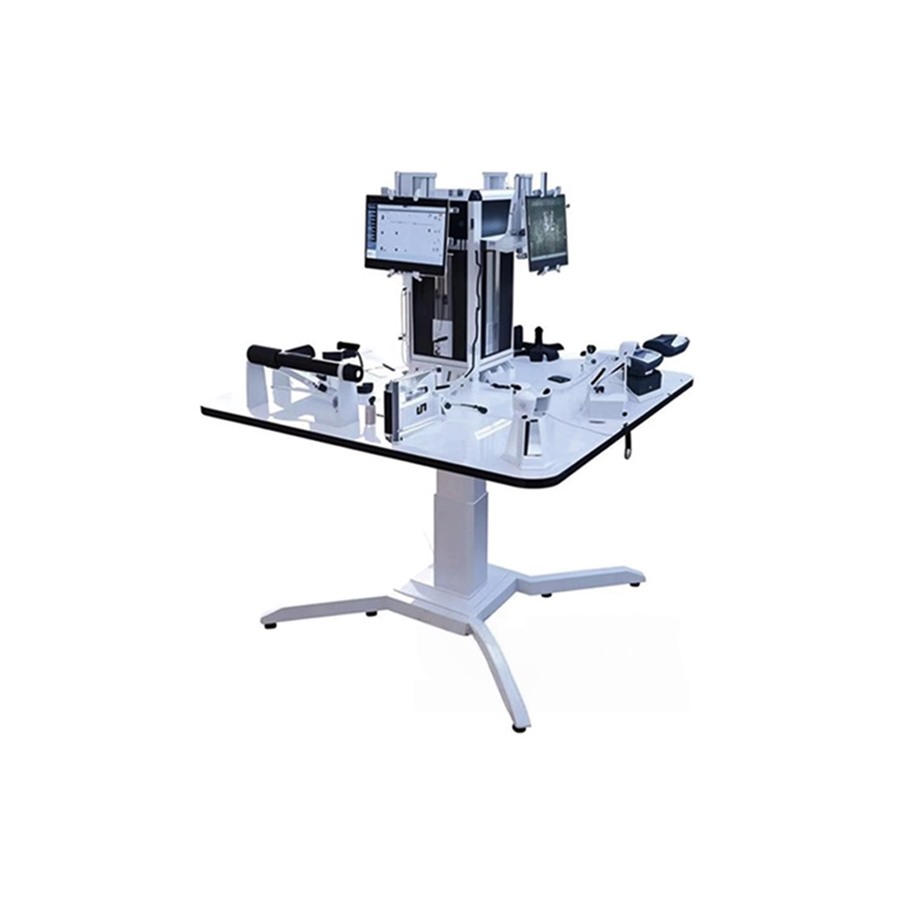
Electric vs Standard Upper-Limb Training Table
Electric and standard table configurations should be compared through confirmed adjustment method, power needs, included scope, and therapy-room workflow.
Published and reviewed:
Quick answer
Request the exact electric and standard configurations side by side, then compare adjustment method, electrical requirements, accessories, dimensions, controls, and documents.
Ask what changes between versions
Do not treat “electric” as a complete specification. Ask for the adjustment mechanism, controls, electrical requirements, standard accessories, optional accessories, and any difference in dimensions or packing.
Use the room plan
Review user access, therapist workspace, outlet location where applicable, cleaning, storage, and delivery route. The right choice is the confirmed configuration that fits the actual workflow.
Quote both versions on the same basis
Use one comparison sheet with exact models, included items, packing, documentation, and destination requirements to avoid comparing uneven offers.
What to confirm before purchase
- Exact electric and standard configuration
- Controls, electrical details, accessories, and dimensions
- Room access, packing, documents, and destination requirements
Buyer FAQ
Can this guide replace an exact product specification?
No. Confirm the selected model, included accessories, dimensions, electrical details, packing, documents, and destination requirements in writing.
What should be in a quotation request?
State the intended setting, quantity, destination country, required configuration, delivery access, electrical needs, and requested documents.
Definition
An electric upper-limb training table and a standard table can support different setup and adjustment workflows. The comparison should focus on therapist access, user positioning, height or angle adjustment, room clearance, controls, and the tasks planned for the training area.
Numeric facts to include in the enquiry
- State 1 planned upper-limb activity and the main user group.
- Request 1 exact model, working dimensions, adjustment range, and safe working load.
- Confirm 3 commercial details: included accessories, package information, and delivery scope.
Comparison steps
- Map seated or standing activities, therapist access, and transfer needs.
- Identify which adjustments are essential and which are optional for the programme.
- Compare the same tabletop, supports, controls, freight, installation, and service scope.
- Confirm the selected table fits the room and the clinic’s operating process.
Buyer FAQ
Does electric adjustment automatically improve therapy?
Not automatically. It may help when setup changes frequently, but the useful choice depends on the programme, staffing, and room workflow.
Should a buyer compare tables by surface size alone?
No. Compare adjustment, supports, controls, working clearance, accessories, and the written service scope as well.