
Suspension rehabilitation buying guide
Suspension Rehabilitation Equipment for Therapy Rooms: What Buyers Need to Know
Suspension equipment selection should begin with the room, frame, access, intended workflow, and configuration—not only the product label.
Published and reviewed:
Quick answer
Compare suspension systems by frame footprint, working clearance, support and attachment configuration, patient transfer, therapist access, accessories, assembly, and room constraints.
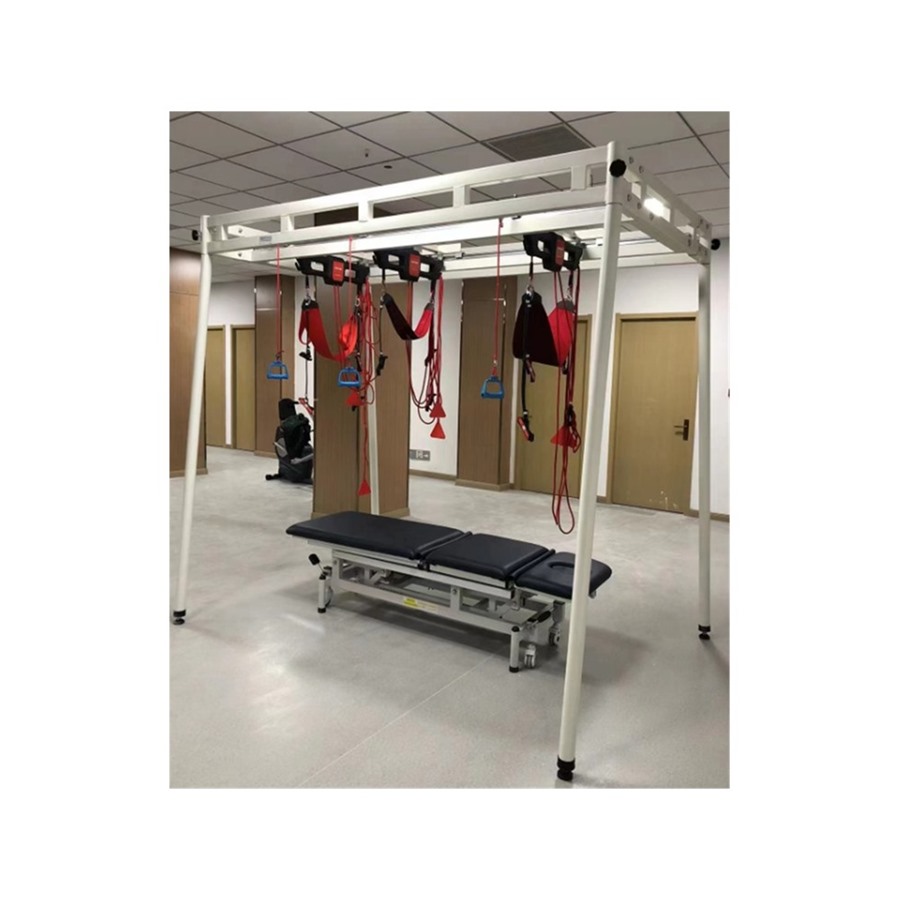
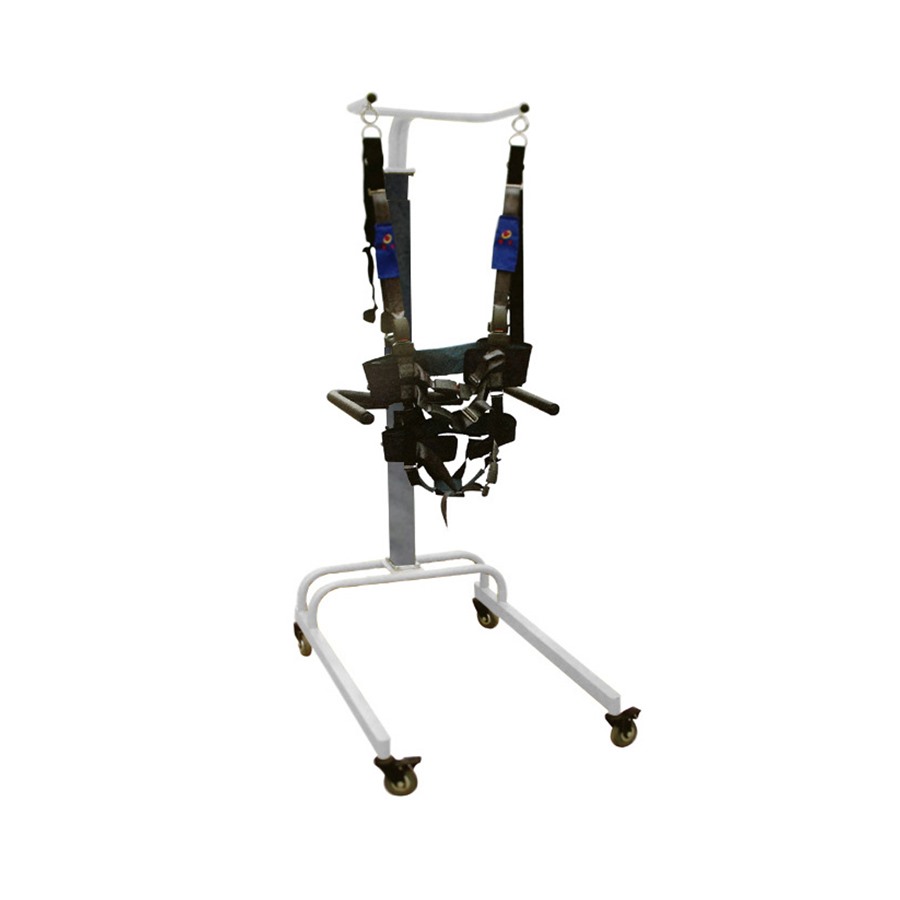
Define the room first
Measure floor area, ceiling height, doorways, corridors, lift access, turning space, storage, and clearance for therapist movement. Confirm whether the system is freestanding or requires a specific installation condition.
Review the configuration
The adult suspension rehabilitation system should be reviewed by its exact frame, table, attachments, dimensions, and included accessories. Do not assume a similarly named system has the same package.
Use the isokinetic and suspension category for broader comparisons.
Ask for complete documentation
Request the current datasheet, user manual, packing information, assembly instructions, warranty terms, and model-specific document status. Verify electrical and destination-market requirements before approval.
What to confirm before purchase
Confirm the exact system, frame and table configuration, working clearance, user access, accessories, packed dimensions, electrical details where relevant, documents, and freight basis.
Frequently asked questions
How should a clinic begin the shortlist?
Start with the user group, therapy program, room workflow, and delivery constraints, then compare exact models and configurations.
Should similar equipment be treated as interchangeable?
No. Adjustment range, access, accessories, dimensions, and document status can differ between models and must be confirmed.
What should be confirmed before ordering?
Confirm the exact model, configuration, quantity, dimensions, packing, electrical requirements, documents, and destination-market requirements.
Definition
A suspension rehabilitation therapy room is planned around supported exercise, transfer, therapist access, anchoring or frame requirements, and safe circulation. The equipment should be specified as part of the room workflow.
Numeric facts to include in the enquiry
- State 1 planned therapy zone and user group.
- Request 1 exact configuration and installed footprint.
- Confirm 3 project details: room dimensions, mounting condition, and delivery access.
Planning steps
- Map exercise, transfer, supervision, and storage zones.
- Confirm freestanding or approved mounting requirements.
- Ask for installation, commissioning, training, freight, and support scope.
- Review the plan against local safety procedures.
Buyer FAQ
Can a room be planned from equipment size alone?
No. Workflow, transfer, supervision, mounting, and clearance also matter.
Is installation automatically included?
Ask for it explicitly in the written scope.