
Pediatric rehabilitation buying guide
Pediatric Rehabilitation Equipment for Therapy Centers: A Buyer’s Shortlist
A pediatric equipment shortlist should match child dimensions, supervised activities, positioning needs, room access, cleaning routines, and the therapy center’s workflow.
Published and reviewed:
Quick answer
Start with the age and size range, then group equipment into mobility, standing, sitting, gait practice, and activity zones. Compare adjustment range, access, support components, cleaning, footprint, and supervision requirements.
Build the shortlist by activity
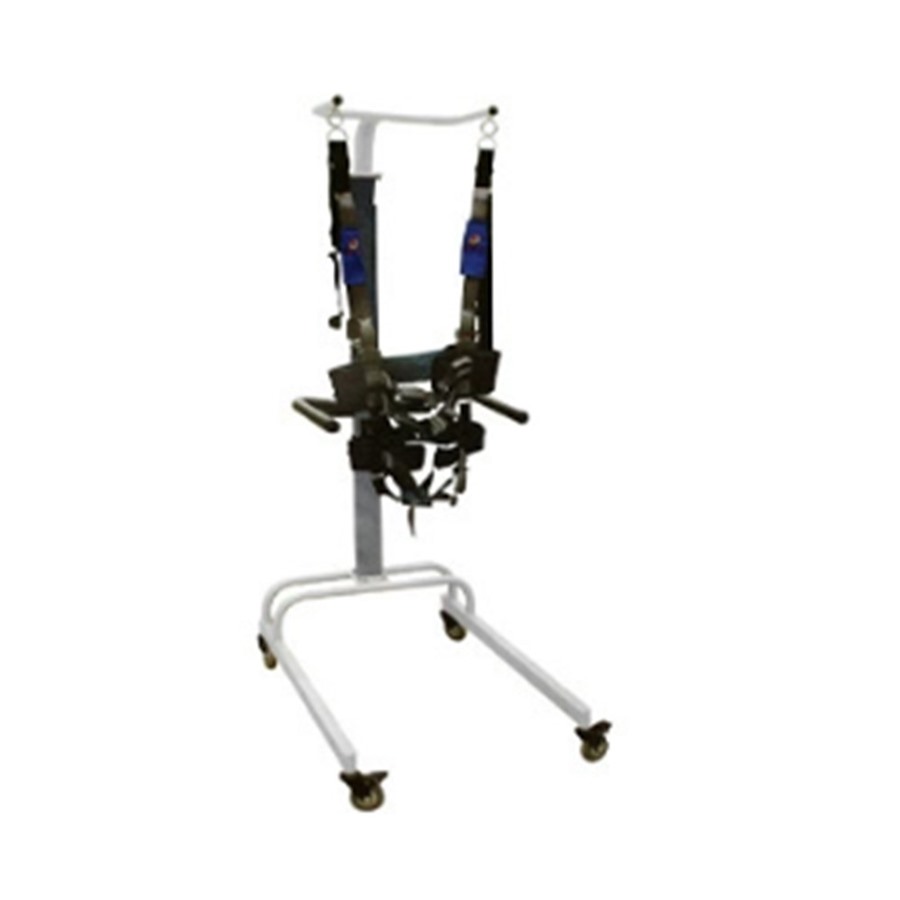
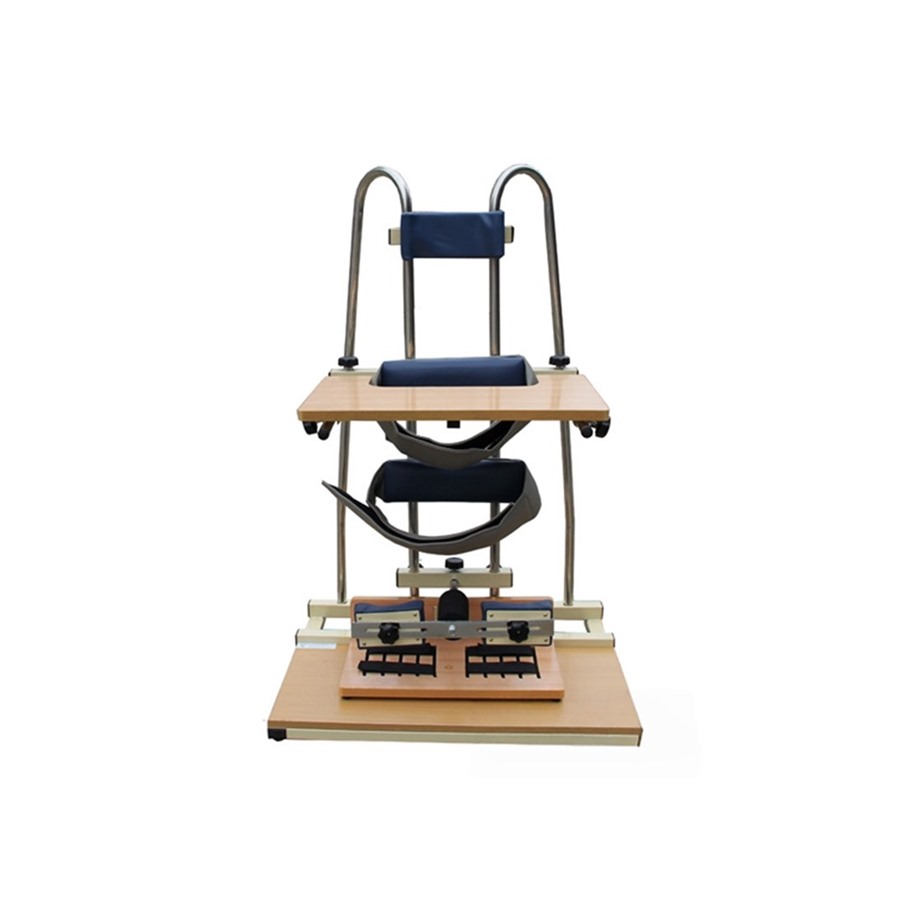
Potential categories include a pediatric body-weight-support gait trainer, pediatric standing frame, pediatric parallel bars, a slow treadmill, and a sitting posture support chair. Each item should be matched to the intended user group and room workflow.
Check child and therapist access
Ask for the adjustment range, support surfaces, transfer method, therapist access, floor clearance, and whether accessories are standard or optional. A product should allow the intended staff to position and supervise the child without obstructing adjacent activities.
Plan the room
Separate mobility practice from seating and tabletop activities where possible. Measure doorways, corridors, turning space, storage, cleaning access, and the route used to bring packed equipment into the room.
What to confirm before purchase
- Intended age, height, and size range
- Support, positioning, and transfer requirements
- Room footprint and delivery-route measurements
- Cleaning, supervision, and accessory needs
- Exact model, packing, documents, and destination requirements
Frequently asked questions
How should a clinic begin the shortlist?
Start with the user group, therapy program, room workflow, and delivery constraints, then compare exact models and configurations.
Should similar equipment be treated as interchangeable?
No. Adjustment range, access, accessories, dimensions, and document status can differ between models and must be confirmed.
What should be confirmed before ordering?
Confirm the exact model, configuration, quantity, dimensions, packing, electrical requirements, documents, and destination-market requirements.
Definition
A pediatric rehabilitation equipment shortlist should reflect the centre’s planned therapy activities, supervision model, child age and size ranges, family access, and room layout. It is a project-planning tool, not a clinical prescription for an individual child.
Numeric facts to include in the enquiry
- State 1 planned therapy zone and the approximate age or size range it is intended to serve.
- Request 1 exact model, 1 quantity, and the product dimensions for each shortlisted item.
- Confirm 3 project details: room dimensions, package information, and delivery or installation scope.
Procurement steps
- Plan the room around activities, supervision sightlines, calm areas, and safe circulation.
- Prioritise the equipment needed for the first service model before adding duplicate or specialist items.
- Ask suppliers to state included accessories, adjustment ranges, and configuration details clearly.
- Review the final shortlist against local safety, cleaning, and operating requirements.
Buyer FAQ
Can an adult rehabilitation equipment list be adapted for a pediatric centre?
Not without review. Pediatric rooms need equipment and layouts that match the intended activities, size ranges, supervision, and safeguarding process.
Should every item be ordered at the same time?
Not necessarily. A phased purchase can help a new centre prioritise core therapy functions and add specialised items after operating needs are clearer.