
Middle East tender and project procurement guide
Middle East Rehabilitation Equipment Tender Checklist: What Buyers Should Prepare
A rehabilitation equipment tender is easier to compare when the scope, user groups, room requirements, technical documents, delivery information, and destination-market questions are defined before bids are requested.
Published and reviewed:
Quick answer
For a Middle East rehabilitation equipment tender, prepare the project scope, equipment schedule, exact or acceptable model requirements, room and delivery constraints, electrical details, requested documents, installation expectations, and evaluation criteria. Confirm country-specific requirements with the procuring authority and importer.
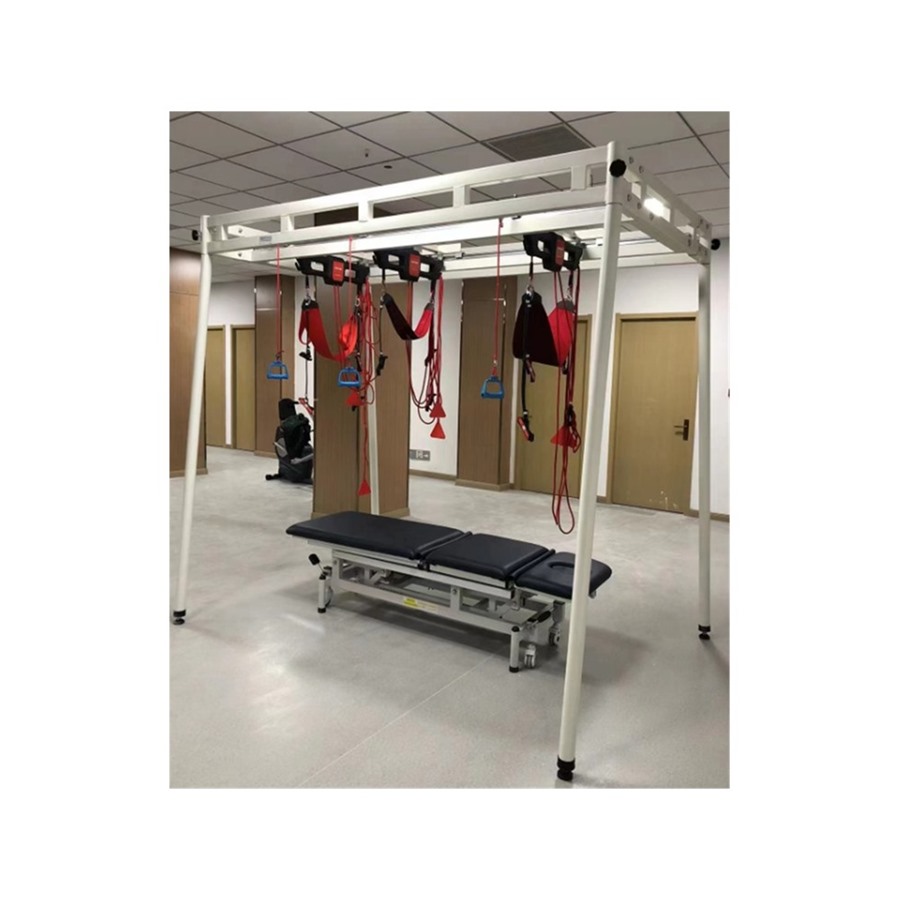
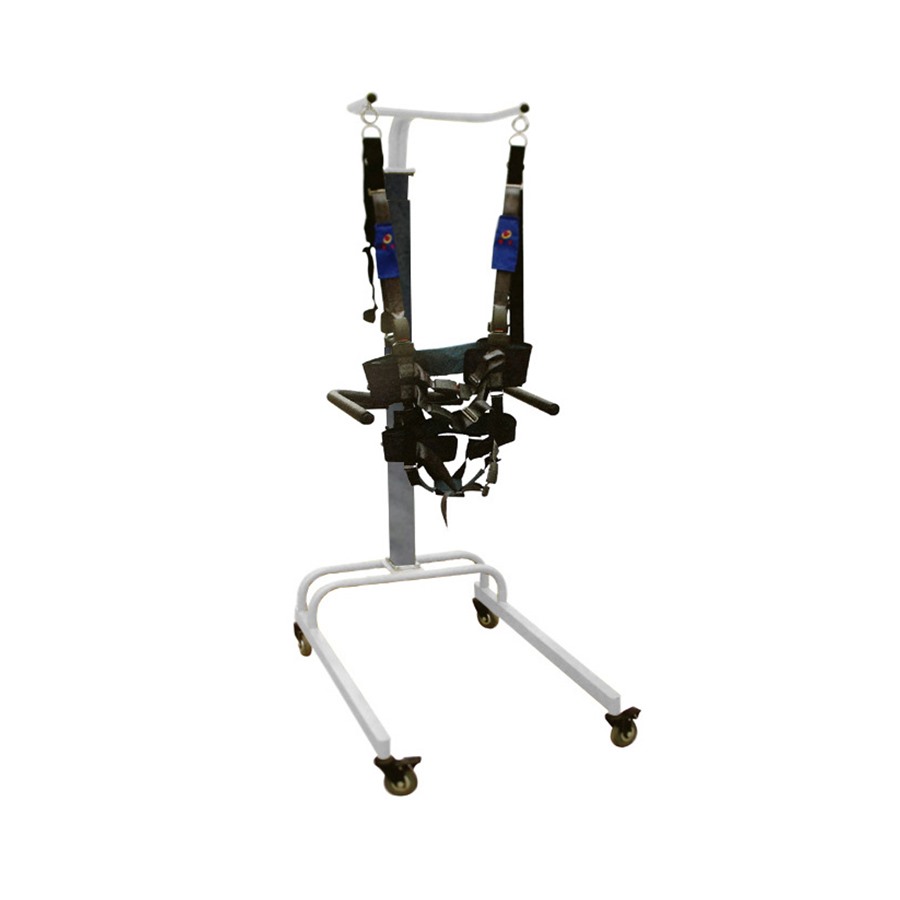
Start with the project scope
Define the facility type, therapy programs, user groups, rooms, quantities, and expected delivery stages. A hospital outpatient department, pediatric center, senior-care project, and private clinic may need different equipment schedules.
Create a clear equipment schedule
List the required category, function, quantity, preferred configuration, acceptable alternatives, accessories, and location. Link the schedule to the relevant [gait training equipment](/product-categories/gait-training-equipment), [pediatric rehabilitation equipment](/product-categories/pediatric-rehabilitation-equipment), or [therapy tables and beds](/product-categories/therapy-tables-beds) category.
Define the tender response requirements
State the required model information, datasheets, user manuals, packing details, warranty terms, delivery basis, electrical configuration, installation scope, training expectations, and document status. Separate mandatory requirements from items that can be proposed as alternatives.
Review the bid before submission
Check every line against the tender schedule. Mark deviations clearly, identify standard and optional accessories, and avoid replacing an exact requirement with a generic product description.
What to confirm before purchase
Confirm the exact model, configuration, quantity, room access, destination country, electrical requirements, packing, documents, installation, training, warranty, and responsible importer or project authority.
Information to prepare
- Project country, authority, facility type, and delivery site
- Tender scope, BOQ, exact models, quantities, and accessories
- Room, access, electrical, packing, and installation information
- Technical, commercial, warranty, training, and document requirements
- Clarification log, accepted deviations, and importer responsibilities
Frequently asked questions
What is the first step in a tender?
Define the facility, therapy program, user groups, rooms, quantities, and delivery requirements before comparing models.
Should suppliers propose alternatives?
Only when the tender allows alternatives. The alternative should be identified clearly with its differences and supporting documents.
Are country requirements the same across the Middle East?
No. Country, authority, project, and exact model requirements must be confirmed for the specific tender.
Definition
A rehabilitation equipment tender checklist helps a buyer turn a clinical and facility requirement into a comparable written submission. It should make configuration, quantities, delivery, documents, installation, and support responsibilities clear.
Numeric facts to include in the tender
- State 1 project scope and the rooms or programmes covered.
- Request 1 exact model and 1 quantity for every line item.
- Record 4 logistics fields: package count, packed dimensions, gross weight, and delivery term.
Tender steps
- Separate mandatory specifications from preferred options.
- Use the same response fields for every bidder.
- Ask for documents, warranty, installation, training, freight, and support scope.
- Compare only compliant configurations and keep clarifications in writing.
Buyer FAQ
Should a tender specify a brand?
Use performance and configuration requirements where possible, subject to the buyer’s procurement rules.
Why include packed dimensions?
They affect freight, unloading, storage, and access to the project site.